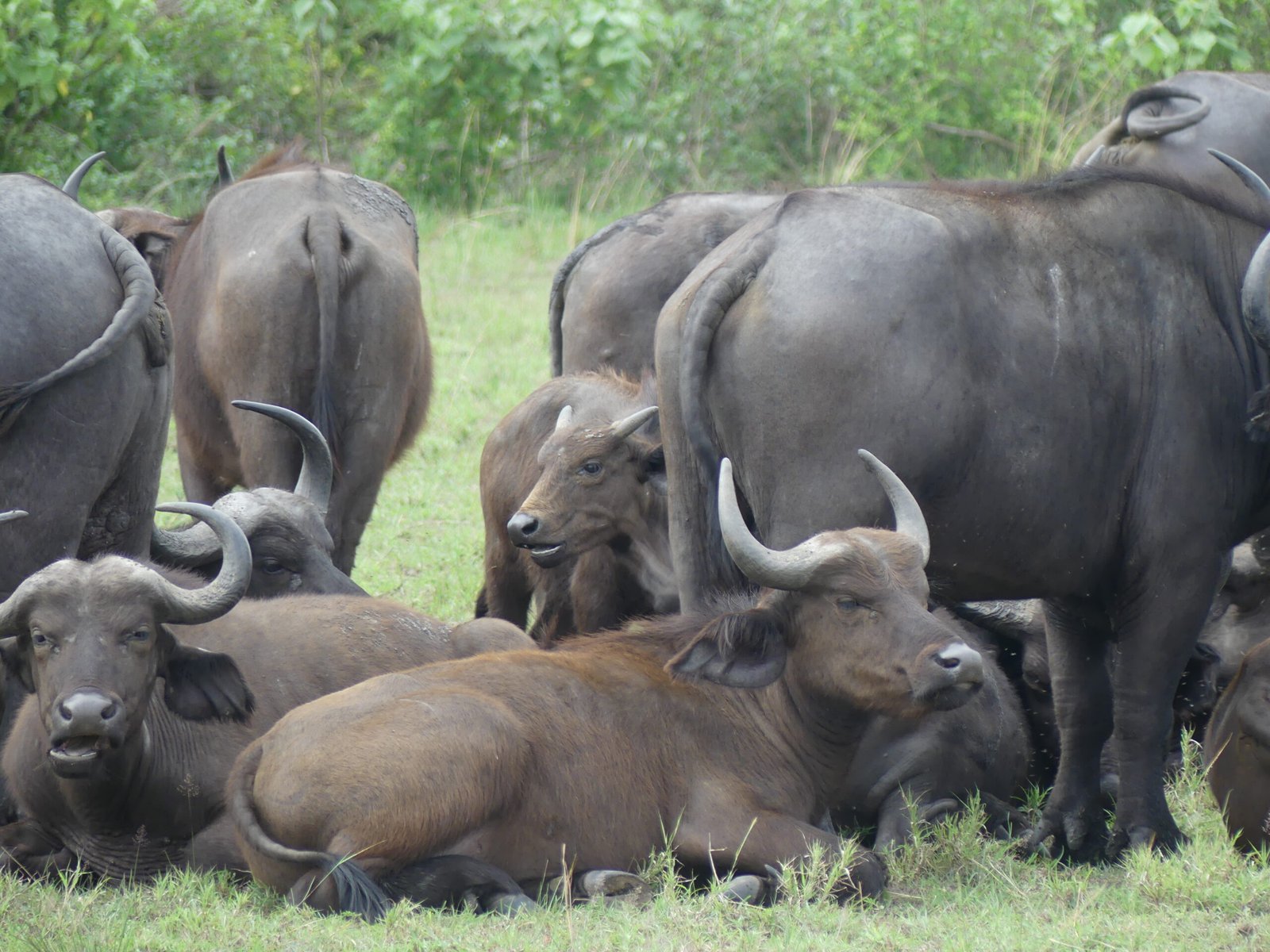
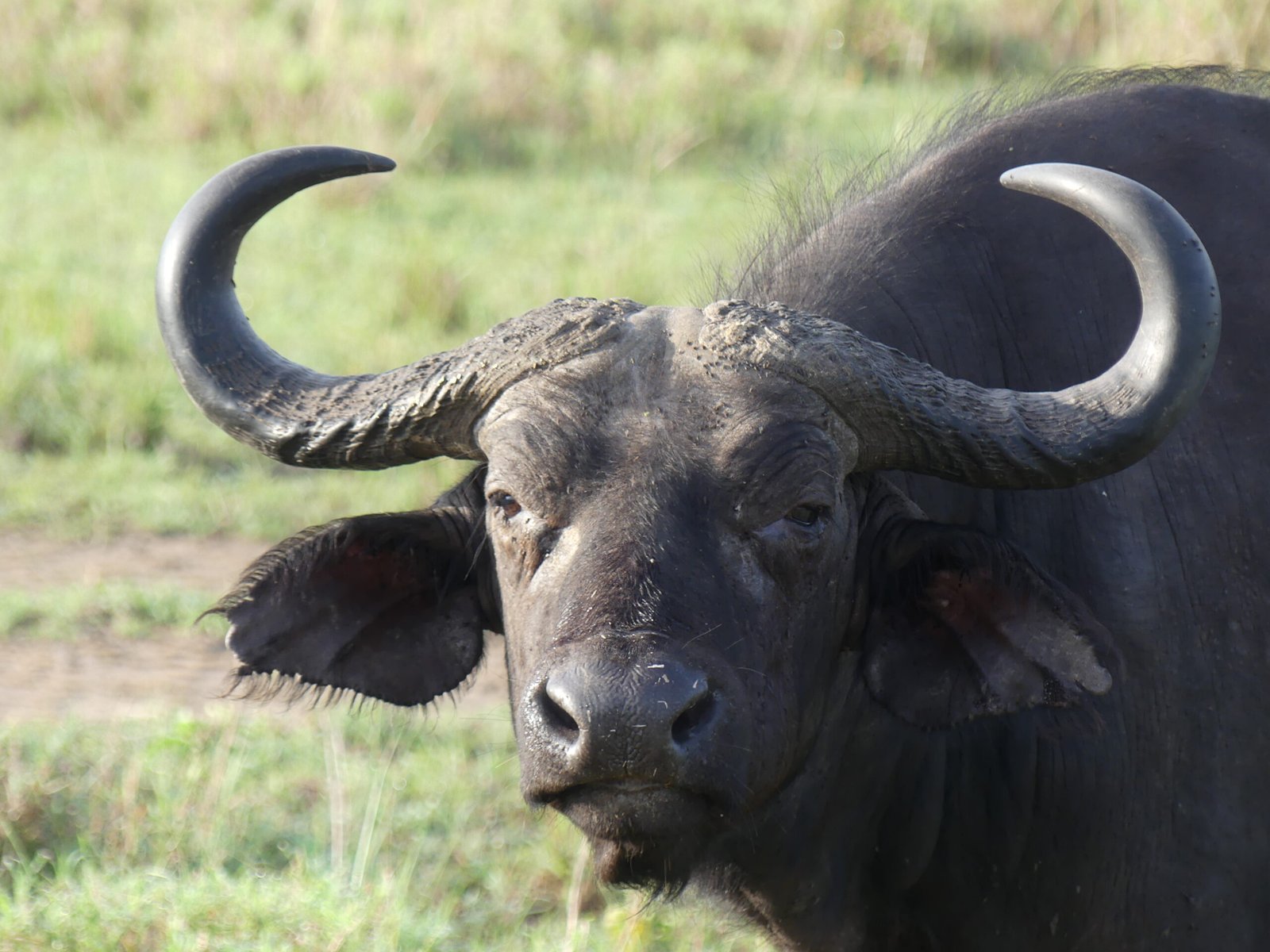
Queen Elizabeth National Park is one of the highlights of our safari portfolio and a must-visit destination for travelers exploring Uganda with us. Located in western Uganda, the park offers a perfect blend of classic savannah landscapes, wetlands, and dramatic backdrops of the Rwenzori Mountains. Its rich biodiversity makes it ideal for backpackers and adventure travelers seeking rewarding wildlife experiences without the crowds found in other safari destinations.
Wildlife Encounters & Scenic Safaris
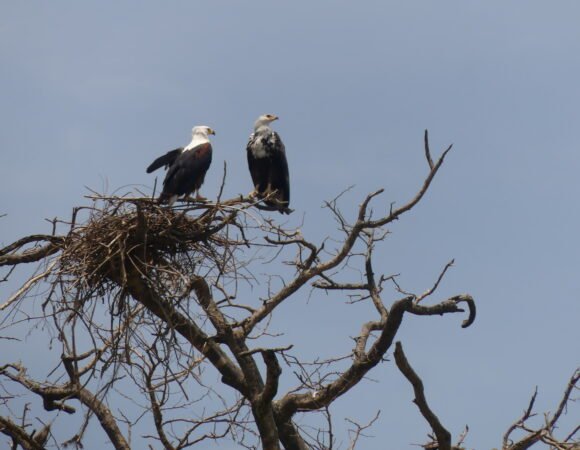
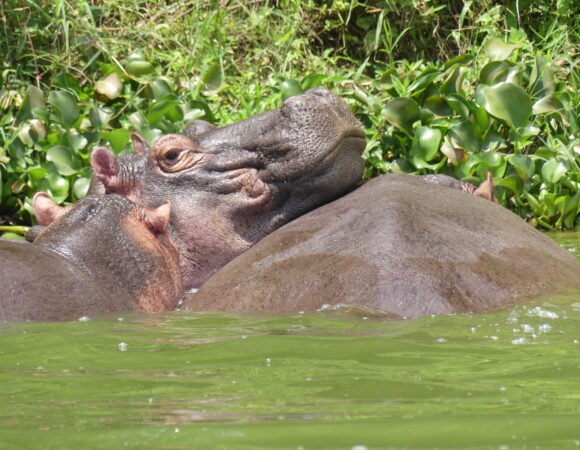
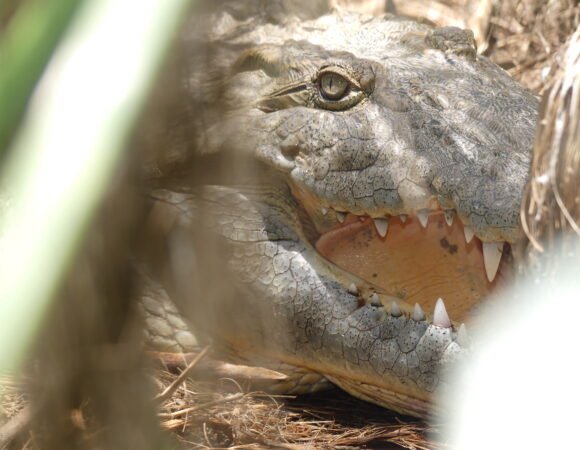
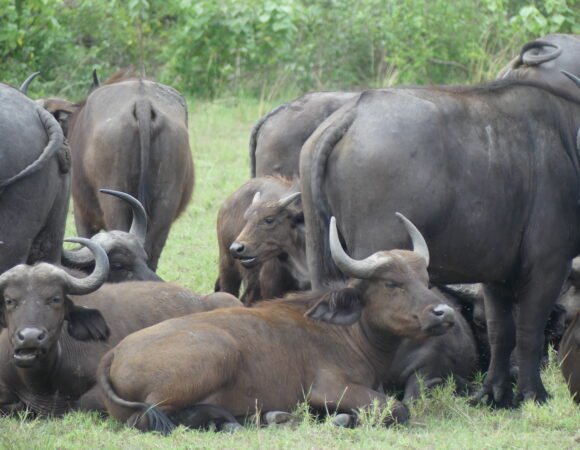
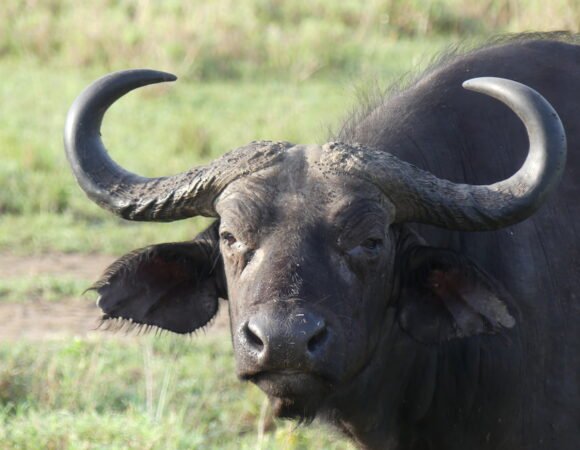
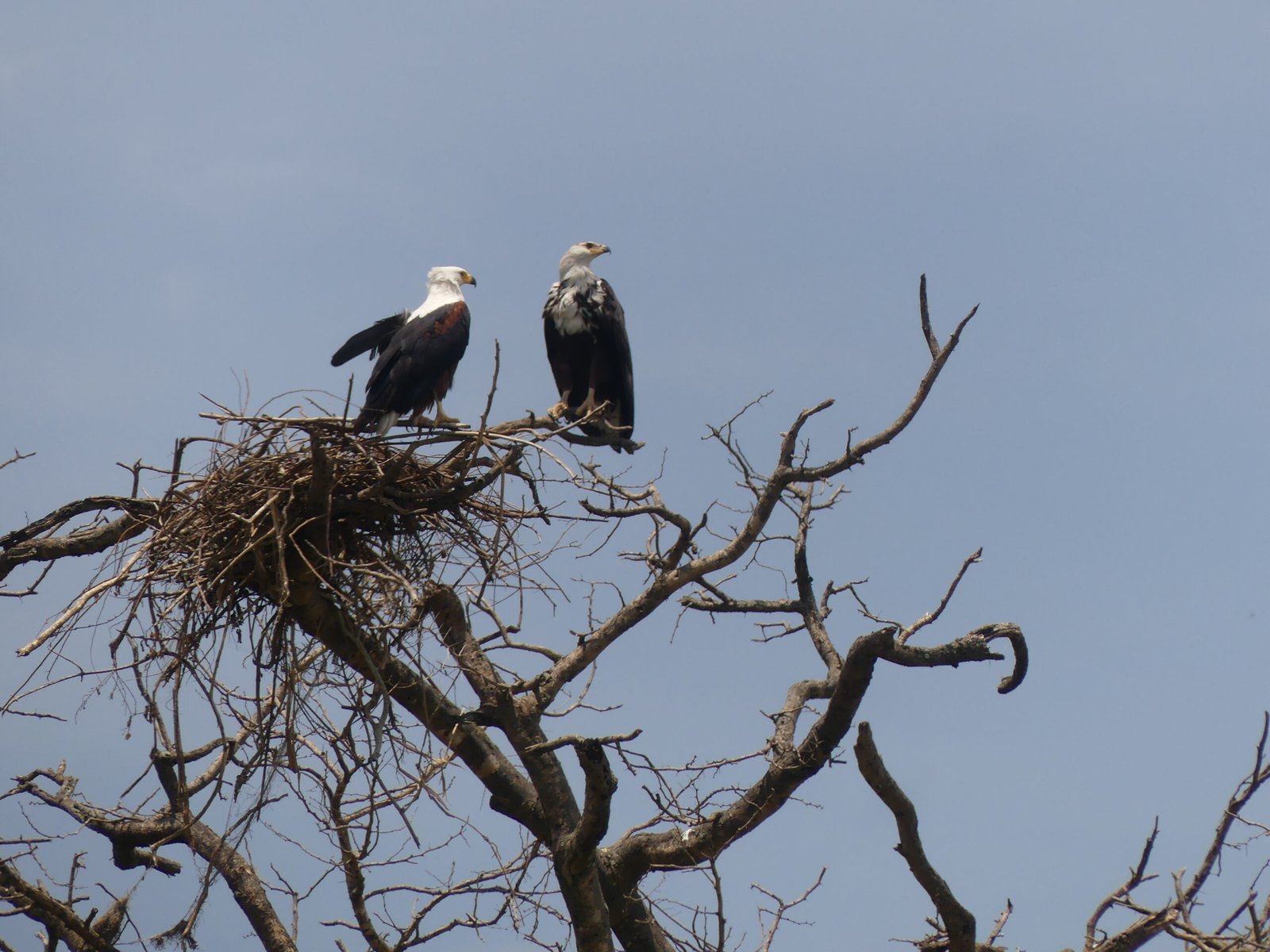
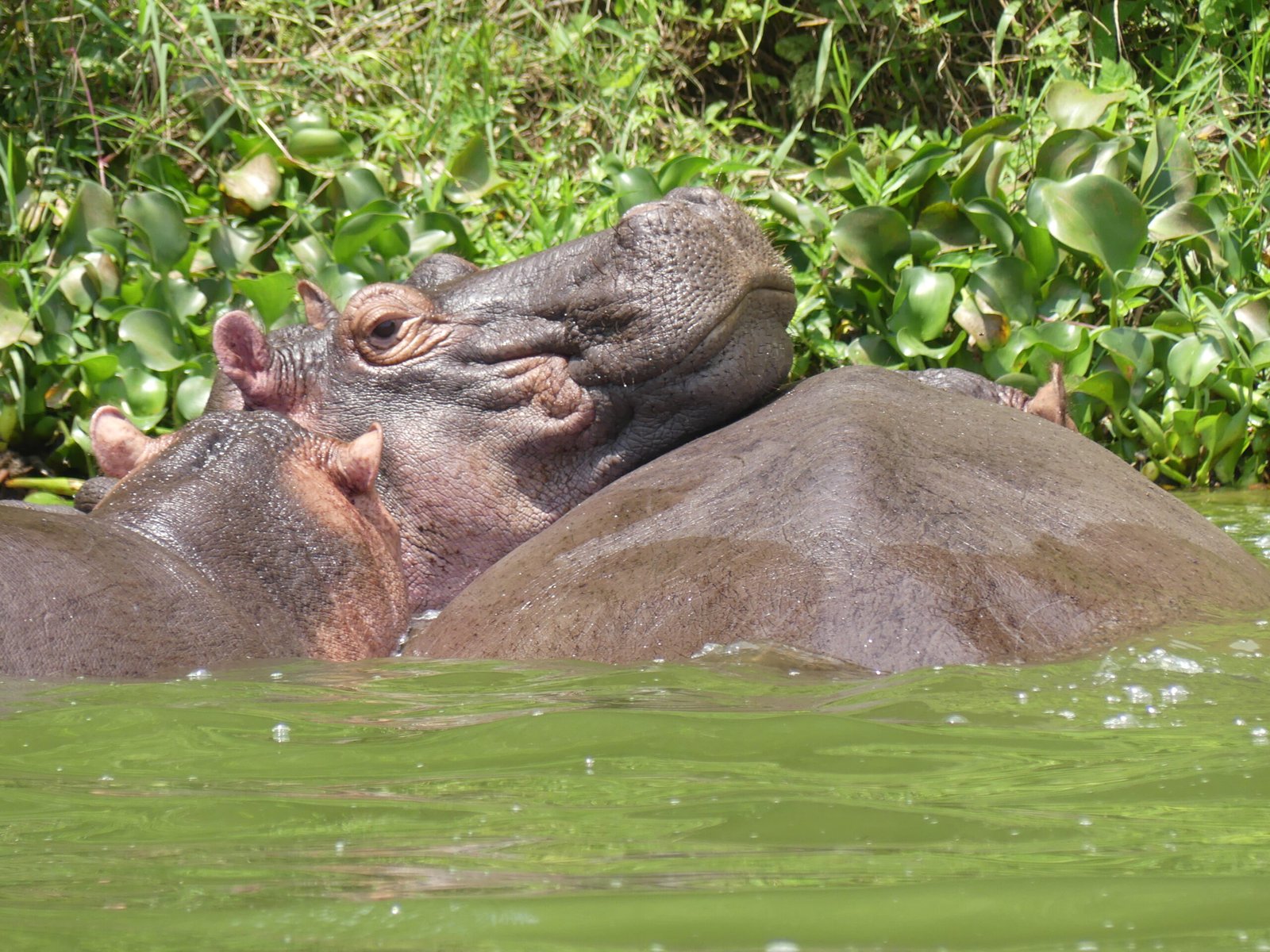
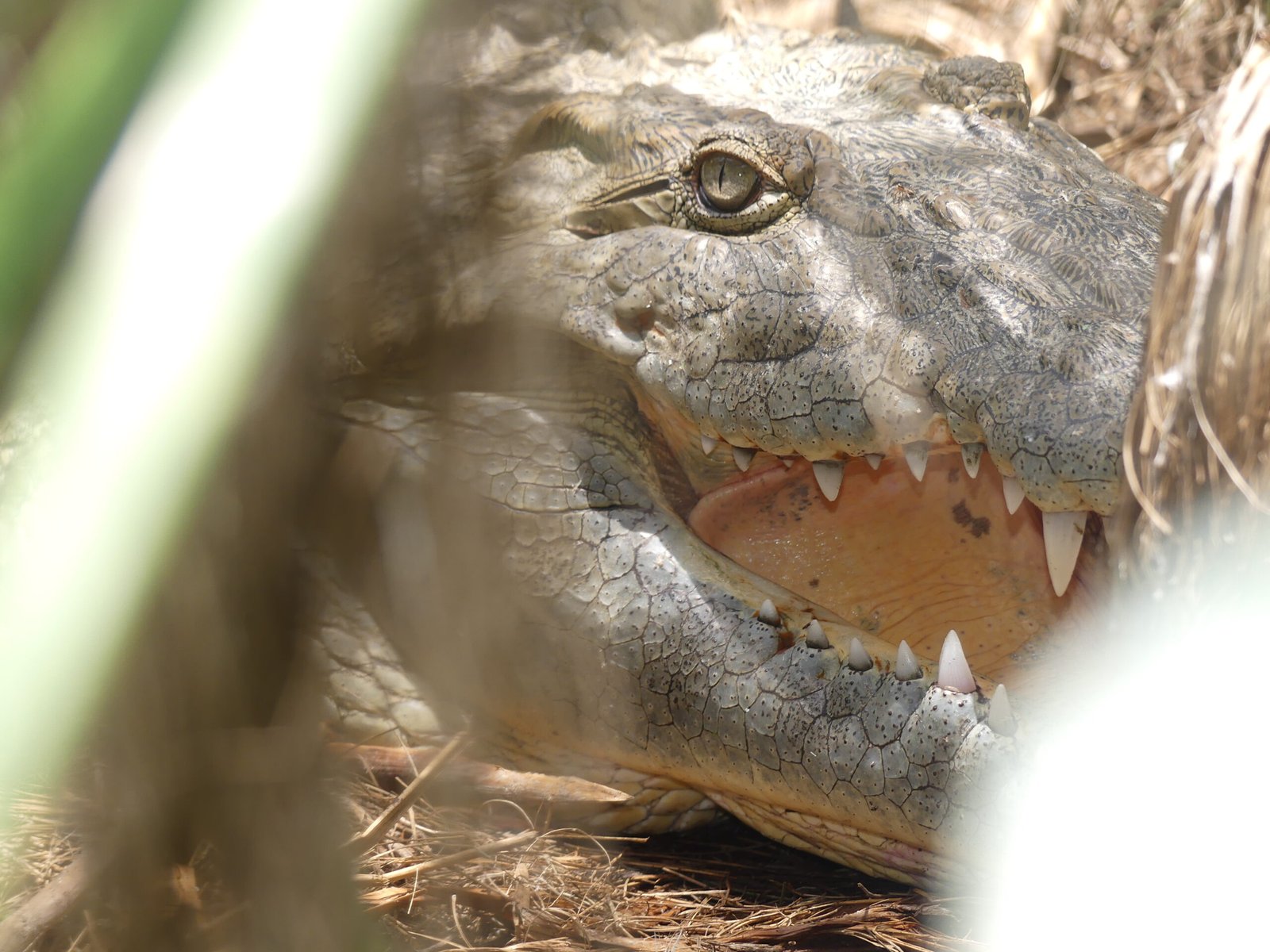
As part of our itineraries, guests experience unforgettable game drives where elephants, buffaloes, antelopes, and lions roam freely, including the famous tree-climbing lions of Ishasha. We also include boat safaris along the Kazinga Channel, one of the best wildlife viewing spots in East Africa, where hippos, crocodiles, and countless bird species can be seen at close range. These experiences are carefully planned to remain affordable while maintaining high safety and quality standards.
What makes Queen Elizabeth National Park stand out in our portfolio is its strong connection between wildlife, community, and conservation. Our trips often incorporate cultural encounters with nearby communities, giving travelers a deeper understanding of life around the park while supporting local livelihoods. This balance of adventure, learning, and responsible tourism reflects our commitment to offering authentic, meaningful safari experiences in Uganda.
Activities in Queen Elizabeth National Park
Game Drives
Explore the open savannahs of Kasenyi and Ishasha on guided drives, spotting elephants, buffaloes, antelopes, and lions in their natural habitat.
Kazinga Channel Boat Safari
Enjoy a relaxed boat cruise between Lake Edward and Lake George, offering close-up views of hippos, crocodiles, water birds, and grazing wildlife.
Tree-Climbing Lion Tracking
Visit the Ishasha sector to search for the famous tree-climbing lions resting in fig and acacia trees.
Guided Nature Walks
Experience the park on foot with an armed ranger, discovering smaller wildlife, birdlife, and unique plant species.